
Newsletter Subscribe
Enter your email address below and subscribe to our newsletter

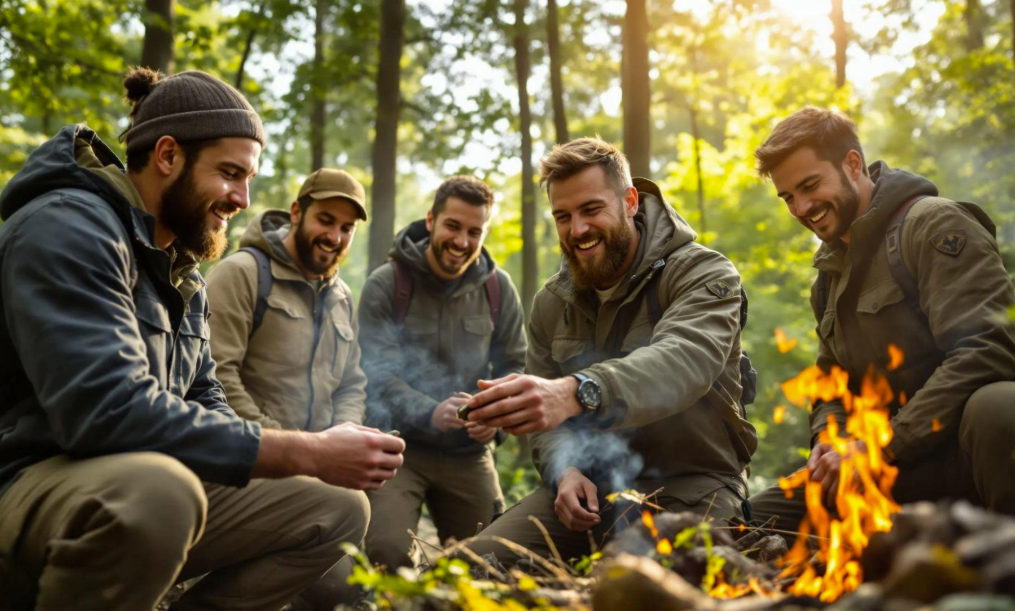
TouristATrek.com is an online travel-focused platform name that can attract readers interested in tourist destinations, outdoor expeditions, adventure travel, nature experiences, and memorable journeys. As more travelers look beyond traditional sightseeing, outdoor adventures and experience-based tourism continue to attract people who want to explore landscapes, cultures, mountains, forests, beaches, and remote locations.
Search terms such as touristatrek.com tourist destinations, touristatrek.com tourist outdoor expeditions, touristatrek.com adventures, and touristatrek.com tourist outdoor adventures may represent users looking for different types of travel information connected with the platform. Some visitors may want inspiration for their next destination, while others may be searching for hiking, trekking, camping, nature exploration, or more challenging outdoor experiences.
A useful travel platform can combine destination inspiration with practical planning information. Readers often want to understand what makes a place worth visiting, what activities are available, what equipment may be required, and how they can prepare for a safe and enjoyable journey.
TouristATrek.com can be viewed as an online destination for people who enjoy traveling, discovering new places, and participating in outdoor activities. Travel today is not limited to visiting famous landmarks or staying in popular cities. Many tourists now prefer experiences that involve nature, physical activity, cultural discovery, and exploration.
Outdoor tourism can include hiking through mountains, walking along coastal trails, camping in forests, exploring national parks, visiting waterfalls, cycling through countryside routes, and participating in organized expeditions.
A platform that combines these topics can provide inspiration to both casual tourists and experienced adventure travelers.
TouristATrek.com is a travel-oriented domain name associated with tourist destinations, outdoor journeys, adventure experiences, and general travel information.
The platform can serve readers at different stages of trip planning. Some may be searching for ideas, while others may already know where they want to travel and need information about activities, routes, weather considerations, or preparation.
Clear travel content can make unfamiliar destinations easier to understand. Articles can explain what makes a location special and help readers decide whether it matches their interests.
Touristatrek.com tourist destinations can include cities, natural attractions, islands, mountain regions, coastal areas, historical sites, cultural locations, and remote landscapes.
A destination becomes attractive for different reasons. Some travelers value architecture and history, while others prefer scenery, outdoor activities, food, culture, or relaxation.
Nature destinations are popular among travelers who want to escape busy urban environments.
Mountains, lakes, forests, deserts, beaches, valleys, and national parks can provide opportunities for photography, hiking, wildlife observation, camping, and relaxation.
A well-written destination guide should explain what makes the area unique and what type of traveler may enjoy visiting it.
Cultural tourism allows visitors to learn about local traditions, food, art, history, architecture, and daily life.
Travelers can gain a deeper experience when they explore beyond famous attractions and take time to understand local communities.
Cities can offer museums, restaurants, shopping districts, historical buildings, entertainment, and cultural attractions.
Even travelers who primarily enjoy outdoor adventures may include urban stops at the beginning or end of a trip.
Choosing the right destination can shape the entire travel experience.
A beautiful location may not be suitable for every traveler. Someone looking for quiet relaxation may prefer a coastal village, while an adventure traveler may choose a mountain region with challenging trails.
Travel content should therefore explain more than what a place looks like.
Useful destination information can include climate, accessibility, activities, travel style, budget considerations, and the best type of visitor for the location.
This helps readers make more informed decisions before investing time and money in a trip.
Touristatrek.com tourist outdoor expeditions can refer to organized or self-planned journeys that involve exploring natural environments.
Expeditions are often more demanding than ordinary sightseeing because they may require physical preparation, specialized equipment, route planning, or local guidance.
Mountain travel can include trekking, climbing, hiking, camping, and high-altitude exploration.
The difficulty can range from easy scenic trails to demanding multi-day routes.
Travelers should understand elevation, weather, fitness requirements, and local conditions before attempting challenging mountain journeys.
Forests provide opportunities for hiking, wildlife observation, photography, camping, and nature education.
Some forest routes are easy to explore, while others may require experienced guides.
Visitors should respect local conservation rules and avoid disturbing wildlife or damaging natural areas.
Desert travel can offer dramatic landscapes and unique cultural experiences.
However, desert conditions can be physically demanding because of heat, limited water sources, and large temperature changes between day and night.
Proper preparation is essential.
Coastal travel may involve walking trails, kayaking, snorkeling, camping, boating, or exploring cliffs and beaches.
Sea conditions and weather can change quickly, so travelers should plan carefully before participating in water-based activities.
Touristatrek.com adventures can cover a wide range of activities suitable for beginners, families, couples, solo travelers, and experienced explorers.
Adventure does not always mean extreme risk.
For some people, visiting an unfamiliar city may feel adventurous. For others, adventure may involve climbing mountains, rafting rivers, or completing multi-day treks.
The best adventure is one that matches the traveler’s experience, fitness, confidence, and interests.
Hiking and trekking are among the most popular forms of outdoor travel.
They allow travelers to experience landscapes at a slower pace and often provide access to places that cannot be reached by vehicle.
Day hikes can be suitable for beginners and casual travelers.
They usually allow visitors to return to their accommodation before night.
The difficulty can vary, so travelers should still check distance, elevation, weather, and trail conditions.
Multi-day trekking requires more preparation.
Travelers may need camping equipment, food, water systems, navigation tools, appropriate clothing, and physical endurance.
Some routes include mountain huts or local accommodation, while others require full camping setups.
Touristatrek.com tourist outdoor adventures can include activities that combine travel with physical challenges and natural environments.
These experiences can help travelers see destinations from a different perspective.
Camping allows travelers to stay closer to nature.
It can range from basic tent camping to more comfortable organized camps.
Choosing a safe location and using appropriate equipment can make the experience more enjoyable.
Kayaking can be used to explore lakes, rivers, and coastal areas.
Beginners should choose calm water and follow appropriate safety guidance.
More difficult routes may require advanced skills and professional support.
Cycling tourism allows visitors to explore cities, countryside routes, mountain areas, and coastal roads.
It provides a balance between physical activity and sightseeing.
Travelers should consider road conditions, traffic, weather, and equipment before starting longer routes.
Wildlife experiences can be memorable when they are conducted responsibly.
Visitors should maintain safe distances and follow instructions from trained guides.
Animals should never be approached or disturbed simply for photographs.
Adventure travel can provide physical, emotional, and cultural benefits.
One major benefit is the opportunity to spend more time outdoors.
Many travelers appreciate stepping away from screens, traffic, and everyday routines.
Adventure travel can also improve confidence. Completing a challenging hike or exploring an unfamiliar environment can create a strong sense of achievement.
Another benefit is deeper cultural interaction. Outdoor journeys often take travelers through smaller towns and communities that may not receive large numbers of traditional tourists.
A travel platform can become valuable when it helps users move from inspiration to practical planning.
Beautiful destination descriptions are useful, but travelers often need more specific information before making decisions.
Useful planning content can include suggested activities, travel difficulty, transportation considerations, seasonal conditions, safety tips, and basic packing advice.
Readers can then compare different options before choosing a destination.
The best travel destination depends on personal preferences.
Travelers should first identify what they want from the trip.
Someone interested in culture may prioritize museums and historical areas.
A nature lover may prefer mountains, lakes, or national parks.
Adventure travelers may choose locations with trekking, rafting, climbing, or outdoor expeditions.
Budget, available time, weather, and physical ability should also influence the final decision.
Adventure trips can range from very affordable to expensive.
Transportation is often one of the biggest costs.
Equipment, accommodation, guides, permits, food, insurance, and activity fees can also affect the budget.
Planning early can help travelers understand the likely cost.
Travelers who already own hiking or camping equipment may save money, while beginners may need to rent or purchase essential gear.
A realistic budget should also include emergency expenses.
Safety should be a priority during any trip, especially when outdoor activities are involved.
Travelers should research the destination before departure.
Local weather, terrain, communication coverage, medical access, and transportation conditions can all affect safety.
For remote expeditions, sharing the planned route with another person can be useful.
Travelers should also understand when professional guides are necessary.
Attempting difficult activities without enough experience can create unnecessary risks.
Good preparation can make outdoor travel safer and more enjoyable.
Some adventures require a reasonable level of fitness.
Walking regularly, improving endurance, and practicing with similar terrain can help prepare for longer hikes or treks.
Essential equipment depends on the activity.
Common items can include suitable shoes, weather-resistant clothing, water, food, navigation tools, a first-aid kit, sun protection, and a reliable backpack.
Travelers should understand the route before starting.
Distance alone does not determine difficulty.
Elevation, weather exposure, terrain, and available facilities should also be considered.
Outdoor conditions can change quickly.
Layered clothing can be useful because travelers can add or remove layers as temperatures change.
Water-resistant clothing can help during rain or wet conditions.
Footwear is especially important for hiking and trekking.
Shoes should match the terrain and ideally be tested before a long expedition.
Using completely new footwear on a difficult trek can cause discomfort.
Weather can significantly influence travel experiences.
A destination that is ideal during one season may be difficult or unsafe during another.
Mountain areas can experience sudden storms.
Coastal destinations may have periods of heavy rain or strong winds.
Desert temperatures can become extreme.
Travelers should therefore research normal seasonal conditions as well as current forecasts shortly before their trip.
Touristatrek.com tourist destinations content can become more useful when seasonal information is explained clearly.
Responsible tourism involves enjoying a destination while reducing negative effects on local communities and natural environments.
Travelers can support local businesses and respect cultural customs.
They should also avoid leaving waste behind in natural areas.
The principle of leaving places as clean as possible is especially important for hiking and camping.
Wildlife should be observed responsibly, and protected areas should be treated according to local rules.
Adventure tourism can create pressure on popular natural destinations.
Large numbers of visitors can contribute to trail erosion, waste, overcrowding, and wildlife disturbance.
Travelers can reduce these effects by staying on established trails, carrying reusable items, avoiding unnecessary plastic, and following conservation rules.
Choosing responsible tour operators can also support more sustainable travel practices.
Touristatrek.com tourist outdoor adventures can encourage people to enjoy nature while also helping protect it.
Solo travel can provide independence and flexibility.
Travelers can choose their own schedule and make decisions according to personal interests.
However, solo outdoor travel requires additional planning.
Remote hiking, camping, or expedition routes may be less suitable for inexperienced solo travelers.
People traveling alone should consider communication options, local safety, transportation, and emergency planning.
Starting with easier routes can help beginners build experience gradually.
Group travel can make outdoor adventures more social and sometimes safer.
Participants can share responsibilities and support each other during difficult sections.
Organized group expeditions may include guides, transportation, equipment support, or planned accommodation.
This format can be useful for people attempting an unfamiliar destination or activity.
The quality and experience of the organizer should be considered before booking.
Adventure travel can also be suitable for families.
Activities should be selected according to the age and experience of children.
Short hikes, nature walks, easy cycling routes, camping, and wildlife experiences can introduce younger travelers to the outdoors.
Families should avoid choosing activities based only on adult ability.
Frequent breaks, comfortable distances, and simple plans can create a more positive experience.
People do not need advanced experience to begin exploring outdoor activities.
Starting small is often the best approach.
A beginner can start with a short hiking route before attempting a multi-day trek.
Someone interested in camping can first stay at an organized campground.
Basic experiences allow travelers to learn equipment use, weather planning, and personal limits.
Touristatrek.com adventures content can help beginners understand how to progress gradually.
Experienced travelers may look for more challenging experiences.
These can include longer treks, remote destinations, high-altitude routes, technical activities, or extended expeditions.
Advanced adventures require stronger preparation.
Past experience does not remove the need to research local conditions.
Every destination has different terrain, weather, regulations, and emergency challenges.
Experienced travelers should remain realistic about risk.
National parks can be excellent destinations for outdoor travelers.
They often provide maintained trails, wildlife viewing, scenic landscapes, and educational opportunities.
Rules may be stricter than in ordinary recreational areas because the environment is protected.
Travelers may need permits or have restrictions on camping, fires, or certain activities.
Following these regulations helps preserve natural areas for future visitors.
Mountain regions attract people because of their landscapes, challenges, and sense of isolation.
Trekking can also provide opportunities to interact with communities living in remote areas.
Travelers should respect local traditions and understand how tourism affects these communities.
Hiring local guides or using locally operated services can contribute directly to regional economies.
Mountain environments can be fragile, making responsible behavior especially important.
Coastal regions can provide both relaxation and adventure.
Travelers may enjoy beaches while also participating in snorkeling, kayaking, diving, hiking, or boat trips.
Island destinations often have unique ecosystems and cultures.
Visitors should be aware that some islands have limited resources.
Water use, waste disposal, and environmental protection may therefore require extra attention.
Forests can offer very different travel experiences from cities and beaches.
They may contain wildlife, waterfalls, rivers, and unique plant life.
Navigation can be more difficult because trails may be less visible.
Humidity, insects, rain, and wildlife also require preparation.
In unfamiliar jungle environments, local guides can provide valuable safety knowledge and cultural information.
Photography is an important part of travel for many people.
Outdoor destinations offer opportunities to capture mountains, landscapes, wildlife, sunsets, local communities, and adventure activities.
However, photography should not interfere with safety.
Travelers should avoid standing in dangerous positions simply to capture a dramatic image.
Respect for local people is also important.
Permission should be considered when photographing individuals, especially in culturally sensitive environments.
Packing for outdoor travel requires balance.
Carrying too much equipment can make hiking difficult, while carrying too little may create safety problems.
Travelers should focus on essential items.
Water, food, suitable clothing, navigation, basic first aid, sun protection, and communication equipment may be important depending on the activity.
Longer expeditions require more detailed planning around weight and supplies.
Navigation is an important outdoor skill.
Mobile navigation applications can be useful, but travelers should not always depend entirely on a phone.
Batteries can fail and mobile coverage may disappear in remote areas.
Offline maps and backup navigation methods can provide additional security.
Travelers should also understand trail markers and local route information.
Touristatrek.com tourist outdoor expeditions content can highlight these practical preparation details.
Physical activities require enough energy and hydration.
Travelers should carry sufficient water or know where reliable water sources are available.
Food should be practical to carry and suitable for the length of the journey.
Long outdoor activities can require additional calories.
In hot conditions, hydration becomes especially important.
Planning supplies before leaving can prevent unnecessary difficulties later.
Local guides can provide more than directions.
They often understand weather patterns, difficult sections, cultural traditions, wildlife behavior, and local history.
Guides can also help visitors communicate with local communities.
For challenging or unfamiliar expeditions, professional guidance may significantly improve safety.
Choosing experienced and responsible guides can create a more meaningful travel experience.
Touristatrek.com tourist destinations can become more meaningful when travelers learn about local culture before arriving.
Different communities may have specific customs related to dress, photography, religious places, communication, or behavior.
Respecting these customs can create better interactions.
Travelers should remember that destinations are homes for local people, not simply attractions created for visitors.
Responsible cultural behavior can improve tourism for everyone involved.
Adventure travel can challenge people in ways that ordinary vacations may not.
Physical effort, unfamiliar environments, and changing plans can require patience and problem-solving.
Completing a difficult journey can improve confidence.
Travel can also help people develop a greater appreciation for nature and cultural diversity.
These experiences often become memorable because of the effort and discovery involved.
General travel platforms may focus heavily on hotels, flights, restaurants, and major attractions.
A platform centered on trekking and adventure can provide a different perspective.
TouristATrek.com can emphasize outdoor activities, nature experiences, expeditions, and destination exploration.
This approach can appeal to travelers who prefer active journeys rather than traditional sightseeing alone.
A balanced platform can still provide basic destination information while giving outdoor experiences greater attention.
Travel information should be realistic.
An activity should not be described as easy if it requires significant experience.
Distances, terrain, seasonal conditions, and safety requirements should be explained accurately when possible.
Readers should also understand that outdoor conditions can change.
A route that was accessible in one season may become more difficult later.
Responsible travel content encourages users to verify important local information before departure.
Readers can begin by deciding what type of trip they want.
Users interested in destination inspiration can explore touristatrek.com tourist destinations.
Travelers seeking more active experiences can focus on touristatrek.com tourist outdoor expeditions and activity-based guides.
People looking for broader adventure ideas can explore touristatrek.com adventures.
Those specifically interested in outdoor experiences can use touristatrek.com tourist outdoor adventures to identify activities that match their skills and interests.
Checking seasonal conditions and personal fitness before finalizing a trip can make planning more effective.
Adventure tourism is likely to continue growing as travelers search for more meaningful and active experiences.
People are increasingly interested in nature, sustainable tourism, remote destinations, and outdoor activities.
Technology may also influence future travel.
Offline navigation, wearable safety devices, digital booking systems, and improved communication tools can make outdoor trips easier to organize.
However, responsible tourism will become increasingly important as popular natural areas receive more visitors.
The future of TouristATrek.com can depend on how effectively it combines destination inspiration with practical outdoor guidance.
Travelers want attractive ideas, but they also need useful planning information.
Detailed destination guides, beginner-friendly adventure content, equipment advice, and responsible tourism information can create long-term value.
The platform can also expand its usefulness by covering different difficulty levels and travel styles.
This can make it relevant to casual tourists as well as experienced explorers.
Touristatrek.com tourist destinations can refer to travel content covering cities, mountains, beaches, national parks, cultural locations, islands, and other places that visitors may want to explore.
Touristatrek.com tourist outdoor expeditions can include trekking, hiking, camping, mountain journeys, forest exploration, desert trips, and other organized or independent outdoor travel experiences.
Touristatrek.com adventures can cover a broad range of active travel experiences, including hiking, cycling, camping, kayaking, wildlife exploration, trekking, and nature-based tourism.
Touristatrek.com tourist outdoor adventures can refer to travel experiences that combine tourism with outdoor activities, physical exploration, and natural environments.
Yes. Beginners can start with easier activities such as short hikes, organized camping, simple cycling routes, or guided nature experiences before progressing to more demanding expeditions.
Preparation helps travelers understand weather, terrain, equipment requirements, physical difficulty, and potential safety risks. Good planning can make outdoor adventures safer and more enjoyable.
TouristATrek.com can serve as a useful travel-oriented platform for people interested in destinations, nature, expeditions, trekking, and adventure experiences. Modern travelers increasingly want more than basic sightseeing, and outdoor tourism provides opportunities to explore landscapes while developing new skills and creating memorable experiences.
Touristatrek.com tourist destinations can help readers discover places that match their interests, while touristatrek.com tourist outdoor expeditions can introduce more challenging and immersive journeys. Touristatrek.com adventures can provide inspiration across different travel styles, and touristatrek.com tourist outdoor adventures can focus on experiences that combine tourism with nature and physical activity.
By emphasizing practical planning, responsible tourism, realistic preparation, safety, cultural respect, and useful destination information, TouristATrek.com can provide valuable guidance for travelers who want to explore the world through both traditional tourism and outdoor adventure.